

Standardized Documentation: The Key to Faster Workflows and Higher Revenue
Defined documentation standards improve workflows, reduce risk, and drive consistent revenue growth in urgent care settings.


Documentation Is No Longer “Just Compliance”
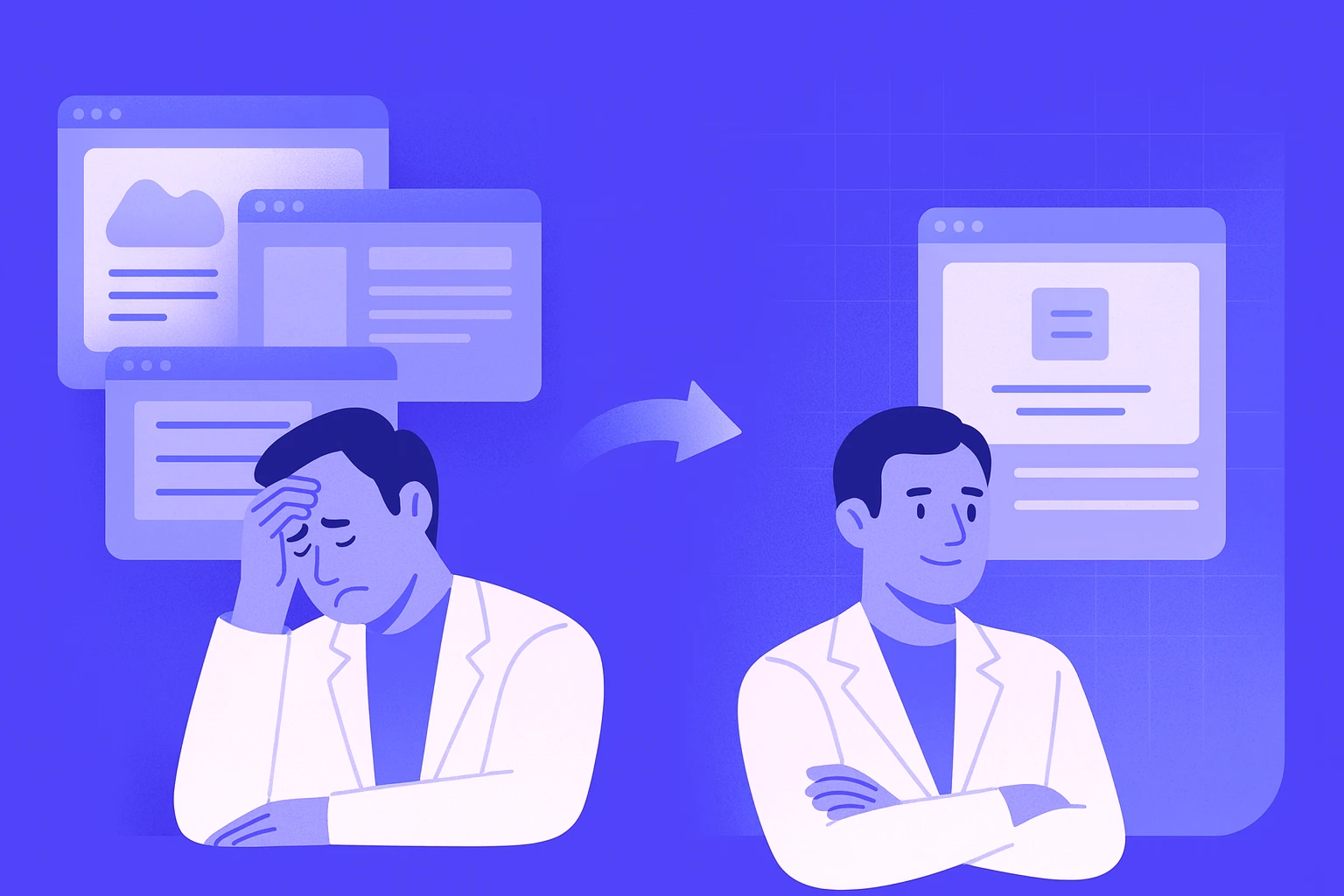
In many urgent care centers, documentation is treated as an individual provider habit—something learned over time and executed with personal preference.
High-performing organizations take a different stance:
Documentation is a standardized system—not an individual art.
When expectations are clearly defined and consistently executed, documentation becomes a strategic asset that improves:
- Workflow efficiency
- Legal defensibility
- Revenue integrity
The Cost of Inconsistency
Without standardized documentation expectations, clinics experience:
- Workflow drag Providers spend extra time deciding how to document
- Compliance exposure Incomplete or inconsistent charts increase audit risk
- Revenue leakage Missed elements lead to downcoding or denied claims
- Training inefficiencies New providers ramp slowly with no clear framework
In short: variability = inefficiency + risk + lost revenue
What “Defined Documentation Expectations” Actually Means:
Standardized Charting Frameworks
- Condition-specific templates (e.g., URI, laceration, sprain)
- Required elements for each visit type
- Pre-built smart phrases and macros
Clear Minimum Documentation Standards
- What must be documented for each E/M level
- Required ROS, exam components, and MDM elements
- Defined expectations for procedures and add-ons
Consistent Workflow Integration
- Documentation embedded into visit flow—not an afterthought
- Alignment between intake, MA, and provider inputs
- Reduced duplication across roles
Legal Protection: If It’s Not Documented, It Didn’t Happen
Risk Mitigation Through Consistency
Standardized documentation ensures:
- Complete clinical narratives that support decision-making
- Clear justification for treatment plans and prescriptions
- Defensible records in the event of audits or legal scrutiny
Without it, even excellent care can appear inadequate on paper.
Consistency is what transforms documentation into protection.
Revenue Capture: The Silent Multiplier
How Standardization Drives Reimbursement
When documentation expectations are defined:
- Providers consistently capture appropriate E/M levels
- Procedures and add-ons are fully supported
- Claims pass payer scrutiny with fewer denials
Common Revenue Gaps Without Standardization:
- Under-documenting moderate complexity visits → downcoding
- Missing procedure details → lost billable services
- Inconsistent MDM → reimbursement variability
Even a small documentation gap per visit compounds into six-figure annual losses.
Workflow Efficiency: Speed Through Clarity
Removing Decision Friction
Defined expectations eliminate the need for providers to:
- Guess what’s required
- Recreate documentation from scratch
- Navigate inconsistent workflows
Instead, they operate within a repeatable, optimized system.
The Result:
- Faster chart completion
- Reduced cognitive load
- More patients seen per shift
- Improved provider satisfaction
Implementation Playbook
1. Define Your “Gold Standard”
- Establish baseline documentation requirements by visit type
- Align with current E/M guidelines and payer expectations
2. Build Templates That Match Reality
- Reflect actual urgent care workflows—not generic EMR designs
- Focus on speed + completeness
3. Train and Align Providers
- Set clear expectations from day one
- Provide ongoing feedback and auditing
4. Monitor and Optimize
- Track documentation quality and coding patterns
- Identify outliers and opportunities for improvement
The Bottom Line
You don’t scale urgent care by working harder—you scale by standardizing smarter.
Defined documentation expectations create:
- Operational consistency = faster workflows
- Legal protection = defensible care
- Revenue optimization = accurate reimbursement
And most importantly—they transform documentation from a burden into a growth engine.
If your organization would like to learn more about how to standardize and optimize provider documentation, contact sales@urgentiq.com

More blog posts to read


Prefer to send an email? Send us your request at sales@urgentiq.com, and we'll coordinate with you directly.
